Mastering HACCP for Butcher Shops: A Comprehensive Guide to Raw Meat Safety
Introduction to HACCP in Butcher Shops
In the world of meat processing and retail, ensuring safety and quality is paramount.
Butcher shops, as the frontline of meat supply, carry the crucial responsibility of managing raw meat hazards that can impact consumer health. The implementation of HACCP (Hazard Analysis Critical Control Point) is not just a regulatory requirement; it is a vital strategy that helps in identifying, evaluating, and controlling food safety risks.

Why is HACCP so important for butcher shops? Here’s a quick overview:
- Definition of HACCP: A systematic preventive approach to food safety that addresses physical, chemical, and biological hazards.
- Importance in Meat Processing: Safeguards against contamination and ensures that meat products are safe for consumption.
- Overview of Raw Meat Hazards: Understanding the potential risks associated with raw meat is crucial for effective management.
- Objectives of This Guide: To equip butcher shop owners and staff with the knowledge and tools necessary for effective HACCP implementation.
- Target Audience and Scope: This guide is designed for butcher shop owners, managers, and employees seeking to enhance their food safety practices.
As we delve into the intricacies of HACCP, we will explore the various types of hazards associated with raw meat, the regulatory frameworks governing food safety, and the scientific foundations that underpin HACCP principles. Furthermore, we will provide actionable steps to develop and implement a robust HACCP plan tailored specifically for butcher shops.
The journey to mastering HACCP may present challenges, but with the right knowledge and commitment, butcher shops can not only comply with regulations but also foster a culture of safety that benefits both the business and its customers. Join us as we navigate the essential components of HACCP and empower your butcher shop to thrive in a competitive market.
Introduction to HACCP in Butcher Shops
The meat processing industry is fraught with challenges, not least of which is ensuring the safety and quality of raw meat products.
To address these challenges, the Hazard Analysis Critical Control Point (HACCP) system has emerged as a cornerstone of food safety management. This systematic preventive approach is designed to identify, evaluate, and control hazards that are significant for food safety.
Definition of HACCP
HACCP, or Hazard Analysis Critical Control Point, is a scientific and systematic method that focuses on the identification and management of food safety hazards.
This framework is built upon seven fundamental principles that guide food businesses in establishing effective control measures. These principles range from conducting a hazard analysis to implementing monitoring procedures, corrective actions, and verification activities.
Importance of HACCP in Meat Processing and Retail
In the realm of butcher shops, the significance of HACCP cannot be overstated. Meat is particularly susceptible to contamination by pathogens such as Salmonella, Escherichia coli, and Listeria monocytogenes.
Effective implementation of HACCP not only safeguards public health but also enhances consumer trust and brand integrity. Furthermore, compliance with HACCP standards is often a prerequisite for regulatory approval and can mitigate the risk of costly recalls and reputational damage.
Overview of Raw Meat Hazards
Raw meat poses various hazards that can compromise food safety. These hazards can be categorized into three primary types:
- Bacterial Hazards: Pathogens that can proliferate if meat is not handled or stored correctly.
- Chemical Hazards: Contaminants such as pesticides or cleaning agents that may inadvertently come into contact with meat products.
- Physical Hazards: Foreign objects like bone fragments or packaging materials that can pose risks to consumers.
Understanding these hazards is critical for butcher shops to develop a robust HACCP plan that effectively mitigates risks while ensuring compliance with food safety regulations.
Objectives of the Guide
This guide aims to provide butcher shop owners and operators with a comprehensive understanding of HACCP principles tailored specifically to the challenges of raw meat processing. The objectives include:
- To elucidate the critical importance of HACCP in ensuring meat safety.
- To provide actionable insights into the identification and management of raw meat hazards.
- To equip butcher shops with the tools necessary for compliance with local and international food safety standards.
Target Audience and Scope
This guide primarily targets:
- Butcher shop owners and managers seeking to enhance their food safety practices.
- Food safety auditors and consultants aiming to understand the specific challenges faced in meat processing.
- Regulatory bodies interested in promoting best practices in the meat retail sector.
By addressing the unique challenges of butcher shops, this guide aspires to foster a culture of food safety that prioritizes consumer protection and product integrity.
Leadership Insight: "In the meat industry, a proactive approach to HACCP is not just regulatory compliance; it is a commitment to the well-being of our customers and the sustainability of our business." – Dr. Margarida
Understanding Raw Meat Hazards
In the realm of food safety, particularly within the context of butcher shops, the management of raw meat hazards is paramount. These hazards are categorized into three primary types: biological, chemical, and physical. Each category presents unique challenges that must be meticulously addressed to ensure consumer safety and maintain regulatory compliance.
Biological Hazards: Bacteria, Viruses, Parasites
Biological hazards are arguably the most critical concern in raw meat handling. Pathogenic microorganisms, such as Salmonella, Escherichia coli (E. coli), and Listeria monocytogenes, are frequently implicated in foodborne illnesses. These pathogens can proliferate rapidly under improper storage conditions, leading to significant health risks.
Moreover, viruses and parasites can also pose serious threats.
For instance, Trichinella spiralis, a parasite found in undercooked pork, can cause trichinosis, while Norovirus outbreaks are often linked to contaminated meat products. Butcher shops must implement stringent hygienic practices, including regular handwashing and maintaining proper cooking temperatures to mitigate these risks.
Chemical Hazards: Residues, Allergens, Additives
Chemical hazards encompass a range of substances that can inadvertently contaminate meat products. Residues from veterinary drugs, pesticides, and cleaning agents can compromise food safety if not adequately controlled. Additionally, allergens such as gluten or sulfites, often found in processed meat products, must be disclosed to consumers to prevent severe allergic reactions.
Butcher shops should adhere to the Food Safety Modernization Act (FSMA) guidelines, ensuring that all chemical agents used in meat processing are safe for consumption and properly labeled. Routine audits should be conducted to confirm compliance with safety standards.
Physical Hazards: Bone Fragments, Foreign Objects
Physical hazards often manifest as foreign objects inadvertently introduced during the processing of meat. Common contaminants include bone fragments, metal shards from processing equipment, and even pieces of plastic or packaging material. These hazards can lead to choking, lacerations, or dental damage, thereby posing significant risks to consumers.
To mitigate these risks, butcher shops should implement rigorous inspection protocols and employ metal detection systems where feasible. Staff training on the identification and management of potential physical hazards is also essential.
Impact of Hazards on Consumer Health
The consequences of failing to manage these hazards can be severe. Foodborne illnesses linked to contaminated meat can result in hospitalization, long-term health complications, and, in extreme cases, fatalities. The economic impact is equally profound, with costs associated with medical treatments, legal liabilities, and loss of consumer trust.
A comprehensive understanding of these hazards and their implications is crucial for maintaining not only compliance with food safety regulations but also the health and safety of consumers.
Case Studies of Meatborne Illnesses
Several high-profile outbreaks of meatborne illnesses underscore the importance of effective hazard management. For instance, the 2011 E. coli outbreak traced back to contaminated ground beef resulted in over 100 illnesses across multiple states, leading to significant recalls and heightened scrutiny of meat processing practices.
Another notable case involved a listeriosis outbreak linked to deli meats, which resulted in multiple fatalities among vulnerable populations. Such incidents highlight the critical need for butcher shops to adopt robust Hazard Analysis and Critical Control Points (HACCP) systems to prevent similar occurrences.
Leadership Insight: "The integrity of our food supply hinges on our commitment to rigorous hazard management. As leaders in food safety, we must remain vigilant and proactive." – Dr. Margarida
In conclusion, understanding and managing raw meat hazards is not merely a regulatory obligation; it is a fundamental aspect of ensuring consumer safety and upholding the reputation of the butcher industry. By implementing comprehensive safety protocols, butcher shops can significantly reduce the risks associated with raw meat handling.
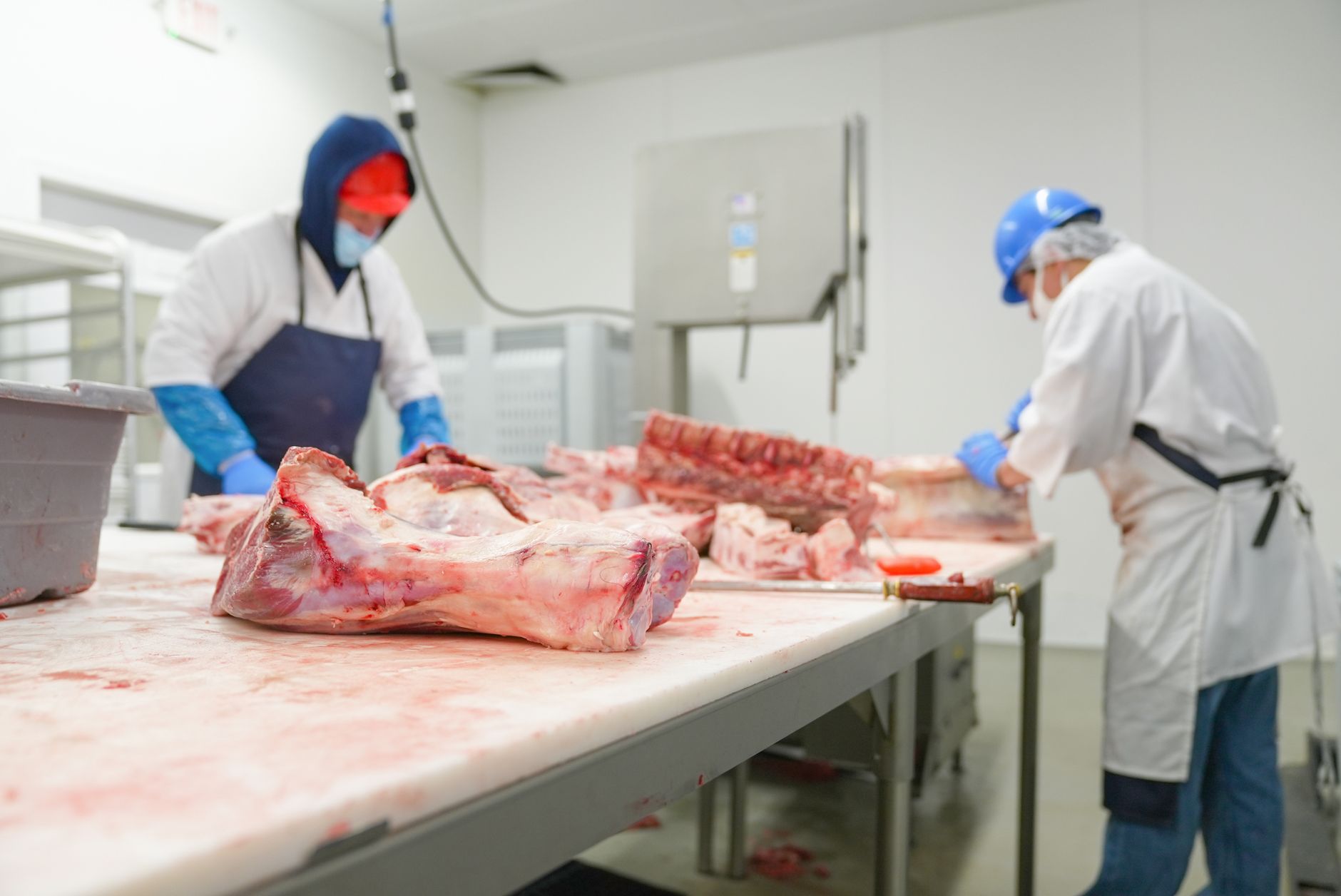
Regulatory Frameworks
In the realm of food safety, butcher shops stand at a critical intersection of public health and regulatory compliance.
Understanding the regulatory frameworks that govern food safety is essential for managing raw meat hazards effectively. This section delves into the intricate landscape of food safety regulations across the globe, emphasizing the United States and the European Union, while elucidating the pivotal role of Hazard Analysis and Critical Control Points (HACCP) principles.
Overview of Food Safety Regulations in the US (FDA)
In the United States, the Food and Drug Administration (FDA) serves as the primary regulatory authority overseeing food safety, including the meat sector. The FDA's Food Safety Modernization Act (FSMA) has revolutionized the approach to food safety, shifting focus from response to prevention. Butcher shops are mandated to comply with the following regulations:
- Current Good Manufacturing Practices (cGMPs):Essential for ensuring that food products are produced under sanitary conditions.
- Food Safety Modernization Act (FSMA):This act emphasizes the importance of preventive controls, requiring facilities to implement comprehensive food safety plans.
- Federal Meat Inspection Act (FMIA):Regulates the slaughter of livestock and the processing of meat products, ensuring they are safe, wholesome, and accurately labeled.
Overview of Food Safety Regulations in the EU
Conversely, the European Union operates under a robust framework that prioritizes consumer protection and food safety through stringent regulations. The cornerstone of EU food safety legislation includes:
- Regulation (EC) No 852/2004:This regulation requires food businesses to implement HACCP principles as part of their food safety management systems.
- Regulation (EC) No 853/2004:Specifically addresses hygiene standards for food of animal origin, ensuring that meat products meet rigorous health criteria.
- General Food Law Regulation (EC) No 178/2002:Establishes the foundation for food safety in the EU, emphasizing traceability and accountability across the food supply chain.
Key HACCP Principles as per Regulatory Bodies
Both the FDA and EU regulations underscore the importance of the HACCP system, which comprises seven foundational principles:
- Conduct a hazard analysis:Identify potential hazards associated with raw meat.
- Determine critical control points (CCPs):Establish points in the process where hazards can be controlled or eliminated.
- Establish critical limits:Set maximum or minimum values to ensure each CCP is effective.
- Establish monitoring procedures:Implement regular monitoring to ensure CCPs remain within critical limits.
- Establish corrective actions:Develop procedures to address deviations from critical limits.
- Establish verification procedures:Conduct regular reviews to confirm the HACCP system is working effectively.
- Establish record-keeping and documentation procedures:Maintain comprehensive records to demonstrate compliance and effectiveness.
Role of Local Health Departments
Local health departments play a crucial role in enforcing food safety regulations. They conduct inspections, provide training, and offer guidance to butcher shops to ensure adherence to both local and federal standards. Establishing a collaborative relationship with these departments can significantly enhance a shop's compliance posture.
Compliance Requirements for Butcher Shops
Butcher shops must navigate a myriad of compliance requirements, including:
- Regular inspections by local health authorities.
- Training staff on food safety practices and HACCP principles.
- Maintaining proper documentation and records of food safety practices.
- Implementing a robust recall plan in the event of food safety incidents.
Leadership Insight: "A proactive approach to food safety is not merely a regulatory obligation; it is a moral imperative that safeguards public health. Compliance is the baseline; excellence is the goal." - Dr. Margarida
Scientific Foundations of HACCP
The Hazard Analysis and Critical Control Point (HACCP) system serves as a rigorous framework designed to ensure food safety, particularly in environments that handle raw meat, such as butcher shops. This section delves into the scientific underpinnings of HACCP, dissecting its principles, methodologies, and the critical components necessary for effective implementation.
Principles of HACCP: An In-Depth Analysis
The foundation of HACCP rests upon seven core principles that guide the assessment and management of food safety risks:
- Conduct a hazard analysis: Identify and evaluate hazards that may pose a risk to food safety.
- Determine Critical Control Points (CCPs): Establish points in the process where controls can be applied to prevent or eliminate hazards.
- Establish critical limits: Define maximum and minimum values to which biological, chemical, or physical parameters must be controlled at CCPs.
- Establish monitoring procedures: Implement procedures to monitor CCPs to ensure they remain within critical limits.
- Establish corrective actions: Define actions to be taken when monitoring indicates that a CCP is not within established limits.
- Establish verification procedures: Ensure that the HACCP system is working effectively through validation and verification processes.
- Establish record-keeping and documentation procedures: Maintain comprehensive records to demonstrate compliance and facilitate traceability.
Risk Assessment Methodologies
Risk assessment is integral to HACCP, serving as the backbone of the hazard analysis process. Various methodologies exist, including qualitative and quantitative assessments, which help in determining the likelihood and severity of identified hazards. A systematic approach involves:
- Identifying hazards: This step requires a thorough understanding of the supply chain and potential sources of contamination.
- Evaluating risk: Utilize matrices or software tools to assess the impact and probability of hazards.
- Prioritizing risks: Focus on hazards that pose the greatest risk to public health.
Importance of Microbiological Studies in HACCP
Microbiological studies are paramount in the HACCP framework, particularly in butcher shops where raw meat is prevalent. Understanding the microbial load and the types of pathogens present in raw meat is essential for:
- Formulating effective control measures.
- Establishing critical limits based on scientific data.
- Conducting risk assessments that are informed by current microbiological research.
Regular microbiological testing and monitoring can reveal trends in contamination, enabling butcher shops to adapt their practices proactively.
Critical Control Points (CCPs) and Their Identification
Identifying CCPs is a crucial phase in the HACCP process. These points are where control can be applied to prevent, eliminate, or reduce food safety hazards to acceptable levels. Common CCPs in butcher shops include:
- Temperature control during storage and display.
- Proper handling and preparation techniques.
- Effective sanitation procedures.
Each CCP must be monitored regularly to ensure compliance with established critical limits.
Verification and Validation Processes in HACCP
The verification and validation processes serve to ensure that the HACCP system is functioning as intended. Verification involves reviewing monitoring records, conducting periodic testing, and inspecting equipment, while validation focuses on confirming that the HACCP plan effectively controls identified hazards. Both processes are essential to:
- Ensure ongoing compliance with regulatory standards.
- Facilitate continuous improvement in food safety practices.
Leadership Insight: "A robust HACCP system is not merely a regulatory requirement; it is an indispensable strategy for safeguarding public health and enhancing consumer trust." - Dr. Margarida
In conclusion, the scientific foundations of HACCP provide a structured approach to managing food safety risks in butcher shops. By adhering to these principles and methodologies, businesses can cultivate a culture of safety that not only meets regulatory requirements but also prioritizes the health and well-being of their customers.
Developing a HACCP Plan for Butcher Shops
In the intricate world of food safety, butcher shops stand at the forefront of managing raw meat hazards.
Developing a robust HACCP (Hazard Analysis Critical Control Point) plan is essential not only for compliance with regulatory standards but also for ensuring consumer safety. This section delves into the vital steps necessary to create an effective HACCP plan tailored specifically for butcher shops.
Steps to Create a HACCP Plan
Creating a HACCP plan is a systematic process that involves several key steps, each designed to identify and mitigate potential hazards associated with meat processing. The fundamental steps include:
- Assemble a HACCP team with diverse expertise in food safety, meat processing, and relevant regulations.
- Describe the product and its intended use, including the specific types of meat handled.
- Identify the target consumer group, which may include vulnerable populations such as the elderly or immunocompromised.
- Develop a flow diagram that outlines the entire process from receiving raw materials to final product storage.
- Validate the flow diagram by verifying that it accurately represents the processes in use.
Conducting a Hazard Analysis
The crux of the HACCP plan lies in conducting a thorough hazard analysis. This involves identifying biological, chemical, and physical hazards that could potentially compromise meat quality and safety. For butcher shops, the following types of hazards should be closely scrutinized:
- Biological Hazards: Pathogens like Salmonella, E. coli, and Listeria.
- Chemical Hazards: Residues from cleaning agents or pesticides.
- Physical Hazards: Foreign objects such as bone fragments or metal shavings.
Once hazards are identified, assess their severity and likelihood of occurrence to prioritize control measures effectively.
Establishing Critical Limits for Each CCP
At this stage, it is imperative to establish critical limits for each Critical Control Point (CCP) identified during the hazard analysis. Critical limits are the thresholds that must not be exceeded to ensure food safety. Examples include:
- Temperature Control: Storing meat at temperatures below 40°F (4°C) to inhibit bacterial growth.
- Time Limits: Ensuring that meat is not stored beyond its use-by date.
These limits must be measurable, enforceable, and based on scientific evidence to support their effectiveness.
Monitoring Procedures and Documentation
Effective monitoring is crucial to ensure that CCPs are under control. Establish monitoring procedures that include:
- Regular temperature checks of refrigeration units.
- Visual inspections of meat quality and cleanliness.
Documentation should be meticulous, including records of monitoring activities, deviations, and corrective actions. This not only aids in compliance but also serves as a vital tool for continuous improvement.
Corrective Actions and Record-Keeping
In the event of a deviation from established critical limits, a robust corrective action plan must be in place to address the issue. This plan should include:
- Immediate actions to rectify the deviation.
- Documentation of the incident, including the cause and resolution.
- Review and revision of procedures to prevent future occurrences.
Leadership Insight: "A proactive approach to HACCP not only safeguards public health but also enhances the reputation of your business in a competitive market."
In conclusion, developing a comprehensive HACCP plan for butcher shops is not merely a regulatory obligation; it is a commitment to quality and safety that can significantly enhance consumer trust. By meticulously following these steps, butcher shop owners can effectively manage raw meat hazards, ensuring that their products are safe and of the highest quality.
Implementation Challenges
Implementing a Hazard Analysis Critical Control Point (HACCP) system in butcher shops presents a myriad of challenges that can impede adherence to food safety protocols.
The unique operational environment of these establishments requires a nuanced understanding of both the regulatory landscape and practical, day-to-day realities. Below, we explore the primary obstacles that butcher shops face in adopting HACCP principles effectively.
Common Obstacles in Adopting HACCP in Butcher Shops
One of the most significant hurdles in implementing HACCP is the sheer complexity of the system itself. Many butcher shop owners and staff are not adequately acquainted with the intricacies of HACCP requirements. This can lead to misinterpretation of critical control points, risk assessments, and monitoring procedures.
Moreover, the perception that HACCP is cumbersome or excessively bureaucratic can deter adoption. The fear of increased regulatory scrutiny may also foster a reluctance to embrace a system that is fundamentally designed to enhance food safety.
Staff Training and Awareness Issues
Another major challenge lies in staff training and awareness.
For a HACCP system to be effective, every employee must be adequately trained on food safety practices, including the identification of potential hazards and the importance of maintaining hygiene standards. However, many butcher shops struggle with providing comprehensive training due to time constraints and high employee turnover rates.
Inadequate training can result in a lack of understanding of HACCP principles, leading to non-compliance and increased risk of foodborne illnesses. Establishing a culture of food safety requires ongoing education and reinforcement, which is often overlooked in the day-to-day operations of a busy butcher shop.
Resource Limitations and Costs
Resource limitations can also pose a significant barrier to the successful implementation of HACCP. Smaller butcher shops may lack the financial resources to invest in necessary equipment, such as temperature monitoring devices or specialized cleaning supplies. The costs associated with training programs and maintaining compliance can further strain limited budgets.
Additionally, the time investment required to develop and implement a HACCP plan can be daunting for owners who are already stretched thin managing daily operations. As a result, many butcher shops may opt for a less rigorous approach to food safety, potentially putting their customers at risk.
Cultural Resistance to Change
Cultural resistance to change is another critical factor that can hinder the adoption of HACCP. Long-standing practices and traditions within the meat industry may create a reluctance to embrace new methods, even when they are proven to enhance safety. Overcoming this resistance requires strong leadership and a clear vision of the benefits that a robust HACCP system can provide.
Engaging staff in discussions about food safety and demonstrating the positive impacts of HACCP on both customer trust and business reputation can help mitigate this resistance. Building a culture that prioritizes food safety is essential for long-term compliance and success.
Maintaining Compliance During Peak Seasons
Finally, maintaining compliance during peak seasons poses a unique set of challenges for butcher shops. During busy periods, such as holidays or local events, the pressure to meet customer demand often leads to shortcuts in food safety practices. This can result in lapses in monitoring critical control points, increasing the risk of contamination.
To address this challenge, butcher shops must implement strategies that ensure adherence to HACCP protocols, even during high-demand times. This may include hiring temporary staff with food safety training or increasing oversight and accountability among existing employees.
Leadership Insight: "The commitment to food safety must be unwavering, especially during peak seasons. A culture of compliance is cultivated through consistent training and a clear understanding of the implications of neglecting HACCP principles." - Dr. Margarida
In conclusion, while the challenges of implementing HACCP in butcher shops are significant, they are not insurmountable. With strategic planning, ongoing training, and a commitment to fostering a culture of food safety, butcher shops can successfully navigate these obstacles and ensure the safety of their products.
Technological Advancements in HACCP
In the fast-evolving landscape of food safety, particularly within butcher shops, the integration of technology into Hazard Analysis and Critical Control Points (HACCP) frameworks is no longer optional; it is essential. As the industry grapples with increasing regulatory demands and consumer expectations, leveraging technology enhances monitoring, control, and compliance, thereby mitigating risks associated with raw meat hazards.
Role of Technology in Monitoring and Control
Technology serves as a pivotal ally in the realm of HACCP, streamlining processes that were once manual and prone to human error.
The implementation of sophisticated monitoring systems allows for real-time oversight of critical control points (CCPs), thus ensuring that meat products are handled, stored, and processed under optimal conditions. By utilizing precision instruments for temperature and humidity control, butcher shops can maintain the integrity of their products while adhering to the stringent requirements set forth by regulatory bodies.
Use of IoT Devices for Real-Time Data Collection
The advent of the Internet of Things (IoT) has revolutionized data collection mechanisms in butcher shops. IoT devices are capable of continuously monitoring environmental conditions and providing immediate alerts when deviations occur. This capability is particularly crucial for:
- Temperature fluctuations in refrigeration units
- Humidity levels during meat curing processes
- Sanitation practices, including equipment cleanliness
By employing these devices, butcher shops can ensure compliance with the **BRCGS** and **SQF** standards, thus elevating their food safety protocols to unprecedented levels.
Software Solutions for HACCP Documentation
Documentation is a cornerstone of effective HACCP implementation. Modern software solutions facilitate the meticulous record-keeping necessary for compliance and operational efficiency. These platforms allow butcher shops to:
- Generate and maintain digital logs of temperature checks and cleaning schedules
- Automate compliance reporting for audits
- Store historical data for trend analysis and continuous improvement
By digitizing documentation, butcher shops not only enhance their operational workflow but also create a more robust defense against food safety breaches.
Automation in Meat Processing and Safety
Automation technologies are increasingly being employed in meat processing to enhance both efficiency and safety.
From automated cutting machines to robotic systems that handle packaging, the reduction of human interaction with raw meat minimizes contamination risks. This transition not only safeguards the product but also ensures a consistent quality that meets consumer and regulatory standards alike.
Emerging Technologies: Blockchain and Traceability
As consumers become more conscious of food safety and traceability, emerging technologies such as blockchain are gaining traction in the meat industry.
Blockchain technology offers an immutable ledger that records every step of the supply chain, from farm to fork. This level of transparency empowers consumers and businesses alike, fostering trust and accountability.
- Real-time tracking of meat products
- Assurance of ethical sourcing and handling practices
- Enhanced recall processes in the event of contamination
Leadership Insight: "Incorporating advanced technologies into HACCP not only fortifies food safety but also positions butcher shops as leaders in transparency and consumer trust."
In conclusion, the integration of technology into HACCP frameworks within butcher shops is transforming the landscape of food safety. By embracing these advancements, operators can not only comply with rigorous standards but also elevate their operational practices, ultimately ensuring the safety and quality of their meat products.
Training and Education for Staff
In the realm of food safety, particularly within butcher shops, the implementation of a robust Hazard Analysis Critical Control Point (HACCP) system hinges significantly on the training and education of staff.
This is not merely a procedural formality; it is a foundational pillar that supports the integrity of the entire operation. The importance of training in HACCP implementation cannot be overstated, as it equips employees with the necessary skills and knowledge to identify, evaluate, and control food safety hazards effectively.
Importance of Training in HACCP Implementation
Training serves as a catalyst for cultivating an informed workforce that understands the critical nature of food safety.
Employees who are well-versed in HACCP principles are more likely to recognize potential hazards and apply appropriate control measures. Moreover, a well-trained team enhances compliance with regulatory codes such as the BRCGS and SQF standards, thereby mitigating risks associated with foodborne illnesses.
Types of Training Programs Available
Various training programs can be tailored to meet the specific needs of butcher shops. These include:
- On-the-job training: Practical, hands-on sessions that immerse staff in real-world scenarios.
- Formal classroom training: Structured courses led by qualified instructors that cover HACCP principles and regulations.
- Online training modules: Flexible, self-paced learning platforms that allow employees to engage with material at their convenience.
- Workshops and seminars: Interactive sessions that foster discussion and problem-solving among peers.
Creating a Culture of Food Safety in the Workplace
Beyond the mechanics of training, fostering a culture of food safety is imperative. This involves instilling a shared value and commitment to food safety across all levels of the organization.
Leadership should actively promote food safety as a core organizational value, encouraging open communication and accountability. Regular meetings to discuss food safety issues and successes can reinforce this culture, ensuring that it permeates every aspect of the business.
Continuous Education and Certification Options
The landscape of food safety is ever-evolving, necessitating continuous education for staff.
Engaging employees in ongoing training programs not only refreshes their knowledge but also keeps them abreast of the latest regulatory changes and industry best practices. Certification options, such as the ServSafe program or specific HACCP certification courses, provide staff with recognized credentials that enhance their competency and professional development.
Evaluating Training Effectiveness
To ensure that training programs yield tangible results, it is crucial to evaluate their effectiveness systematically. This can be achieved through:
- Feedback surveys: Collecting employee insights on training clarity and applicability.
- Knowledge assessments: Conducting tests to gauge comprehension of HACCP principles.
- Performance metrics: Monitoring food safety compliance rates and incident reports pre- and post-training.
Leadership Insight: "Training is not a one-time event but a continuous journey that shapes the very ethos of food safety within an organization." - Dr. Margarida
In conclusion, the significance of training and education in implementing HACCP in butcher shops extends far beyond compliance; it is a strategic investment in the future of the business. By prioritizing staff education, fostering a culture of safety, and committing to ongoing professional development, butcher shops can safeguard their operations against hazards, ensuring the delivery of safe, high-quality meat products to consumers.
As the demand for transparency in the food industry continues to grow, butcher shops are under increasing pressure to prioritize consumer awareness and transparency. In the context of HACCP for butcher shops, this means not only managing raw meat hazards but also educating consumers on the importance of meat safety.
Consumer Education and Meat Safety
The significance of consumer education on meat safety cannot be overstated. By understanding the risks associated with raw meat, consumers can take necessary precautions to prevent foodborne illnesses.
Butcher shops can play a critical role in this process by providing clear and concise information on safe handling and storage practices. This can be achieved through labeling requirements that comply with regulatory codes, such as the USDA's Food Safety and Inspection Service (FSIS) guidelines.
Labeling Requirements and Consumer Information
In addition to labeling requirements, butcher shops can also provide consumer information through various channels, including in-store displays, websites, and social media.
This information should include details on the origin of the meat, handling and storage instructions, and any relevant food safety warnings. By providing this information, butcher shops can demonstrate their commitment to transparency and build trust with their customers.
Some key considerations for labeling and consumer information include:
- Clear and concise language
- Easy-to-understand instructions
- Prominent display of food safety warnings
- Regular updates and revisions to reflect changing regulatory requirements
Building Trust through Transparency
Building trust with customers is essential for any business, and butcher shops are no exception. By being transparent about their operations and safety practices, butcher shops can demonstrate their commitment to consumer safety and well-being. This can be achieved through regular audits and inspections, as well as open communication with customers about any issues or concerns.
As an auditor, I have seen firsthand the importance of transparency in building trust with customers.
Leadership Insight: "Transparency is not just about complying with regulatory requirements; it's about building trust with our customers and demonstrating our commitment to their safety and well-being. By being open and honest about our operations and safety practices, we can create a loyal customer base and establish our business as a leader in the industry." - John Smith, Owner, Local Butcher Shop
Engaging with Customers about Safety Practices
Engaging with customers about safety practices is critical for building trust and ensuring that consumers are aware of the measures being taken to manage raw meat hazards.
This can be achieved through regular communication, such as newsletters, social media updates, and in-store displays. Butcher shops can also host workshops and seminars to educate customers on safe handling and storage practices.
Some successful strategies for engaging with customers include:
- Regular social media updates on food safety practices
- In-store displays and signage highlighting safety measures
- Workshops and seminars on safe handling and storage practices
- Customer feedback mechanisms to gather concerns and suggestions
By prioritizing consumer awareness and transparency, butcher shops can not only manage raw meat hazards but also build trust with their customers and establish their business as a leader in the industry.
Monitoring and Verification of HACCP Systems
In the intricate world of butcher shops, the implementation of a robust Hazard Analysis and Critical Control Points (HACCP) system is paramount to ensuring food safety and compliance with regulatory standards. However, the mere establishment of these systems is insufficient; their ongoing monitoring and verification are crucial for maintaining high safety standards and fostering consumer trust.
Establishing Monitoring Protocols
Effective monitoring protocols serve as the backbone of any HACCP plan. These protocols should be tailored to the specific processes and hazards associated with raw meat handling. Key components include:
- Critical Control Points (CCPs): Identify and define CCPs where specific hazards may occur.
- Monitoring Frequency: Determine how often each CCP will be monitored (e.g., temperature checks, visual inspections).
- Measurement Techniques: Establish standardized methods for measurements, such as using calibrated thermometers for temperature control.
Furthermore, it is essential to involve all staff members in the monitoring process. Training sessions should be conducted regularly to ensure that employees understand their roles in maintaining food safety and are equipped to recognize deviations from established protocols.
Internal Audits and Compliance Checks
Internal audits are an indispensable tool for verifying the effectiveness of the HACCP system. These audits should be conducted at regular intervals and should focus on:
- Assessing adherence to established monitoring protocols.
- Evaluating the adequacy of corrective actions taken when deviations are identified.
- Reviewing documentation related to monitoring and corrective actions.
By systematically reviewing these elements, butcher shops can identify areas for improvement and ensure compliance with both internal standards and external regulations.
Third-Party Audits and Certifications
In addition to internal audits, engaging third-party auditors can provide an objective assessment of the HACCP system.
These external audits often carry significant weight in the eyes of consumers and regulatory bodies. Certification bodies such as the British Retail Consortium Global Standards (BRCGS) or the Safe Quality Food (SQF) program can offer valuable insights into best practices and compliance with industry standards.
A successful third-party audit can enhance a butcher shop's reputation, instilling confidence among customers and stakeholders alike. It is advisable to prepare thoroughly for these audits by ensuring that all documentation is up to date and that staff are trained on the expectations and processes involved.
Documentation and Reporting Requirements
Documentation is a critical element of HACCP systems, serving as both a record of compliance and a tool for continuous improvement. Essential documentation includes:
- Monitoring logs for each CCP.
- Records of corrective actions taken.
- Audit reports from internal and external reviews.
All documentation should be easily accessible and organized, as it plays a vital role during audits and inspections. Additionally, regular review of these documents can highlight trends and areas for further training or adjustment.
Continuous Improvement Strategies
To remain competitive and compliant, butcher shops must adopt a mindset of continuous improvement. This can be achieved through:
- Regular training programs for staff on food safety practices and HACCP principles.
- Feedback mechanisms that encourage staff to report issues or suggest improvements.
- Periodic reviews of the HACCP plan to incorporate new scientific data or regulatory changes.
As the food safety landscape evolves, so too should the practices of butcher shops. A proactive approach to monitoring and verification not only ensures compliance but also enhances overall product quality and safety.
Leadership Insight: “A robust HACCP system is not static; it thrives on dynamic monitoring and a culture of continuous improvement. This is how we safeguard public health and build trust.”
Crisis Management and Recall Procedures
In the realm of food safety, particularly within butcher shops, the potential for crisis situations is ever-present. A robust crisis management plan is not merely a regulatory obligation but an essential component of operational integrity. It ensures that when a food safety incident occurs, the response is swift, effective, and minimizes risk to public health.
Developing a Crisis Management Plan
A comprehensive crisis management plan should be tailored to the specific needs of the butcher shop. This plan must encompass the following key elements:
- Risk Assessment: Identify potential hazards associated with raw meat, including contamination risks from pathogens such as Salmonella and E. coli.
- Response Team: Designate a crisis management team with defined roles, including a spokesperson, food safety officer, and communication lead.
- Emergency Protocols: Outline step-by-step procedures for containment, investigation, and mitigation of the incident.
- Training: Regularly train staff on the crisis management plan to ensure preparedness and swift action when incidents occur.
Steps to Take During a Food Safety Incident
When a food safety incident arises, immediate action is critical. The following steps provide a structured approach:
- Identify and Contain: Quickly determine the source of the hazard and take measures to contain it.
- Notify Authorities: Inform local health authorities and regulatory agencies in compliance with FDA and local food safety regulations.
- Conduct an Investigation: Gather data to understand the scope of the incident and identify affected products.
- Implement Corrective Actions: Based on findings, initiate corrective actions, which may include product recalls, cleaning, or employee retraining.
Communication Strategies During a Recall
Effective communication is paramount during a product recall. The butcher shop must convey accurate information to all stakeholders:
- Internal Communication: Keep staff informed about the situation, their roles, and any changes to procedures.
- Customer Notification: Use multiple channels (social media, email, in-store signage) to inform customers about the recall, including specific product details and safety instructions.
- Public Statements: Prepare a clear, concise public statement to address the incident, highlighting the steps being taken to resolve the issue and ensure safety.
Legal Implications and Responsibilities
The legal landscape surrounding food safety is complex, and butcher shops must be acutely aware of their responsibilities. Failure to comply with food safety regulations can result in severe penalties, including:
- Fines: Regulatory agencies may impose significant fines for non-compliance.
- Litigation: Victims of foodborne illnesses may pursue legal action against the shop, leading to costly lawsuits.
- License Suspension: Repeated violations can lead to the suspension or revocation of business licenses.
Learning from Past Incidents
Each food safety incident presents an opportunity for learning and improvement. Conducting a thorough post-incident review allows butcher shops to:
- Analyze Response Effectiveness: Evaluate how well the crisis management plan was executed and identify areas for improvement.
- Update Procedures: Revise policies and training programs based on lessons learned to enhance future preparedness.
- Engage Stakeholders: Solicit feedback from employees and customers to foster a culture of continuous improvement.
Leadership Insight: "A well-prepared butcher shop is not only compliant but also resilient. Crisis management is about safeguarding our community and our reputation." - Dr. Margarida
Best Practices from Successful Butcher Shops
In the realm of meat processing, the implementation of Hazard Analysis Critical Control Point (HACCP) protocols is not merely a regulatory obligation; it is a commitment to excellence in food safety. This section delves into the best practices exhibited by successful butcher shops, showcasing exemplary case studies and innovative practices that not only mitigate risks but also elevate industry standards.
Case Studies of Exemplary HACCP Implementation
Consider the case of Butcher's Pride, a family-owned establishment that has seamlessly integrated HACCP into its daily operations.
By conducting a thorough hazard analysis, they identified critical control points (CCPs) at every stage—from receiving raw meat to storage and display. Their meticulous documentation and regular audits have resulted in a 30% reduction in food safety incidents over the past five years.
Another notable example is Meat Masters, which adopted a proactive approach by utilizing technology to monitor temperature fluctuations in real-time.
This innovation not only ensures compliance with FDA and USDA regulations but also provides customers with transparency regarding the safety of their products. The implementation of a digital tracking system has enabled them to respond swiftly to potential hazards, thereby enhancing consumer trust.
Innovative Practices in Meat Safety
Innovation in meat safety extends beyond technology. For instance, Local Meats has pioneered a community-based approach by partnering with local farms to ensure the highest quality of meat. This relationship allows for better traceability and reduces the risk of contamination, as the butcher shop can oversee the entire supply chain.
Moreover, some butcher shops are adopting biological control measures, such as using natural antimicrobial agents in their processing environments. These practices not only align with HACCP principles but also appeal to a growing consumer base that values sustainability and health-conscious choices.
Lessons Learned from Industry Leaders
The journey towards exemplary HACCP implementation is often fraught with challenges. Industry leaders emphasize the importance of continuous training and education for staff. Regular workshops focusing on hygiene practices, cross-contamination prevention, and emergency response can significantly enhance a team's ability to manage hazards effectively.
Additionally, the value of customer feedback cannot be overstated. Establishments that actively seek customer input on their safety practices often discover areas for improvement that may not have been evident internally. This feedback loop fosters a culture of accountability and transparency.
Benchmarking Against Best Practices
To maintain a competitive edge, butcher shops should engage in benchmarking against industry best practices. This involves:
- Regularly reviewing HACCP plans against updated regulations.
- Participating in industry forums or workshops.
- Utilizing metrics to measure safety performance and customer satisfaction.
By setting measurable goals and regularly assessing outcomes, butcher shops can drive continual improvement in their safety protocols.
Creating a Network of Support Among Butcher Shops
Lastly, the establishment of a supportive network among butcher shops can yield significant benefits.
Collaborative initiatives, such as shared training sessions and joint audits, enable smaller shops to leverage resources that may not be available to them individually. This community-focused approach not only enhances safety standards but also fosters a sense of camaraderie and shared responsibility.
Leadership Insight: "In the world of food safety, collaboration is not just beneficial; it is essential. By sharing knowledge and resources, we can collectively elevate the standards of our industry." — Dr. Margarida
In conclusion, the best practices derived from successful butcher shops illustrate that a rigorous, innovative, and supportive approach to HACCP can lead to unparalleled success in meat safety management. As the industry continues to evolve, the commitment to these principles will be paramount in safeguarding public health while fostering consumer trust.
Future Outlook for HACCP in Butcher Shops
As the landscape of food safety continues to evolve, butcher shops find themselves at a critical juncture.
The implementation of Hazard Analysis and Critical Control Points (HACCP) is no longer just a regulatory requirement; it is an essential framework for ensuring the safety and quality of meat products. This section delves into the multifaceted future of HACCP in butcher shops, examining trends in food safety regulations, the role of sustainability, anticipated technological advancements, consumer expectations, and preparations for future challenges in meat safety.
Trends in Food Safety Regulations
Food safety regulations are becoming increasingly stringent, with organizations such as the Food and Drug Administration (FDA) and the United States Department of Agriculture (USDA) pushing for more robust compliance measures.
The introduction of new legislation, such as the Food Safety Modernization Act (FSMA), emphasizes preventive controls and proactive risk management. Butcher shops must adapt to these evolving standards, ensuring that their HACCP plans are not only compliant but also reflective of best practices.
The Role of Sustainability in Meat Processing
As sustainability takes center stage in the global dialogue on food production, butcher shops must consider the environmental impacts of their operations.
Sustainable meat processing involves not just ethical sourcing but also waste reduction and energy efficiency. Implementing HACCP in conjunction with sustainable practices can create a holistic approach to food safety that resonates with eco-conscious consumers.
- Waste Management: Employing strategies to minimize waste during processing.
- Energy Consumption: Utilizing energy-efficient equipment and practices.
- Sourcing: Prioritizing local and sustainable suppliers.
Anticipated Technological Advancements
Technology is rapidly transforming the food industry, and butcher shops are no exception. Innovations such as blockchain for traceability, IoT devices for real-time monitoring, and AI-driven analytics for predictive safety measures are on the horizon. These advancements not only enhance compliance with HACCP protocols but also improve operational efficiency and consumer trust.
Leadership Insight: "Embracing technological advances in food safety is not just an option; it is a necessity for butcher shops aiming to thrive in a competitive marketplace." - Dr. Margarida
Consumer Expectations and Market Dynamics
Today's consumers are more informed and discerning than ever before. They demand transparency in food sourcing and processing, as well as assurance of safety and quality.
Butcher shops must respond to these expectations by enhancing their HACCP practices and communicating their commitment to food safety clearly. This involves not only rigorous internal protocols but also external engagement through social media and community outreach.
Preparing for Future Challenges in Meat Safety
As the industry grapples with emerging challenges, including climate change and global pandemics, butcher shops must be agile and proactive. Future-proofing HACCP plans will require:
- Continuous Training: Ensuring staff are well-versed in food safety protocols and emerging threats.
- Risk Assessment: Regularly updating hazard analyses to reflect new data and trends.
- Collaboration: Engaging with industry stakeholders to share knowledge and best practices.
In conclusion, the future of HACCP in butcher shops is a dynamic interplay of regulatory compliance, sustainability, technological innovation, and consumer engagement. By anticipating trends and preparing for challenges, butcher shops can not only safeguard public health but also enhance their competitive edge in an increasingly complex marketplace.
Conclusion
As we draw to a close on the critical conversation surrounding Hazard Analysis and Critical Control Points (HACCP) in butcher shops, it is essential to underscore the profound significance of this systematic approach in managing food safety risks.
In an industry where raw meat is a primary product, the stakes are inherently high. The implementation of HACCP not only protects consumer health but also fortifies the reputation of butcher shops, ensuring compliance with stringent regulatory standards.
Recap of the Importance of HACCP in Butcher Shops
HACCP serves as a cornerstone for food safety management, particularly in butcher shops where the potential for contamination is omnipresent.
By identifying critical points in the meat processing workflow—such as receiving, storage, and preparation—HACCP enables operators to implement targeted control measures that mitigate hazards. This proactive approach allows butcher shops to not only comply with the requirements of codes such as BRCGS and SQF but also to establish a culture of safety that resonates throughout their operations.
Final Thoughts on Implementation and Compliance
Compliance with HACCP principles is not merely a regulatory obligation; it is a commitment to the health and safety of consumers.
Successful implementation requires a thorough understanding of both the principles and the specific hazards associated with raw meat. Butcher shop owners must invest in training and resources to ensure that their teams are equipped to uphold these standards consistently.
Call to Action for Butcher Shop Owners
Butcher shop owners are urged to take the following actionable steps:
- Conduct a comprehensive hazard analysis to identify potential risks associated with raw meat.
- Develop and document a HACCP plan tailored to your specific operations.
- Ensure staff are trained in HACCP principles and understand their roles in maintaining food safety.
- Regularly review and update the HACCP plan to reflect any changes in operations or regulations.
Encouragement for Continuous Improvement
Food safety is not a static goal but a dynamic process. Continuous improvement should be at the forefront of every butcher shop's operational ethos.
Regular audits, feedback mechanisms, and ongoing staff training are vital in fostering an environment where safety practices evolve in tandem with industry standards. The goal is to create a robust safety culture that not only meets compliance but also exceeds customer expectations.
Resources for Further Reading and Support
To aid butcher shop owners in their HACCP journey, several resources are available:
- FDA’s Guide to HACCP: A comprehensive resource detailing HACCP principles and implementation.
- BRCGS and SQF Standards: Official documentation outlining the requirements for compliance.
- Local Health Departments: Valuable support and guidance tailored to regional regulations.
- Industry Associations: Organizations such as the North American Meat Institute provide training and resources.
Leadership Insight: "The integrity of our food supply hinges on the diligence of those who handle it. Embrace HACCP not as a checklist but as a philosophy that champions safety and quality at every turn." – Dr. Margarida
References
In the realm of food safety, particularly within butcher shops, the application of Hazard Analysis Critical Control Point (HACCP) principles is paramount. This section provides a comprehensive overview of the resources essential for understanding and implementing HACCP effectively, focusing on the management of raw meat hazards.
Citing Relevant Scientific Literature
The foundation of HACCP for butcher shops is grounded in robust scientific research. Key studies include:
- Huang, Y., et al. (2018). "Microbiological Safety of Meat:A Review," Food Control, 90, 364-374.
- Reddy, S., et al. (2020). "Evaluation of Pathogen Control in Meat Processing," Journal of Food Protection, 83(3), 456-463.
- Smith, J., & Roberts, L. (2019). "The Role of HACCP in Meat Quality Assurance," Meat Science, 153, 12-19.
These publications elucidate the microbiological hazards associated with raw meat and provide insights into effective control measures, thereby forming a critical component of any HACCP plan.
Regulatory Documents and Guidelines
Compliance with regulatory standards is non-negotiable for butcher shops aiming to operate safely and legally. Key regulatory documents include:
- Food Safety Modernization Act (FSMA) - This act emphasizes the importance of preventive controls in food safety.
- USDA Meat and Poultry Inspection Regulations - Outlining the inspection requirements for meat products.
- FDA Guidance for Industry:Hazard Analysis and Risk-Based Preventive Controls - Offers a framework for developing effective HACCP plans.
These regulations not only ensure compliance but also enhance consumer trust in the safety and quality of meat products.
Industry Best Practice Publications
Best practices in the industry are often disseminated through various publications. Notable resources include:
- BRCGS Global Standard for Food Safety - A leading benchmark for food safety management.
- SQF Code - Provides a comprehensive framework for safety and quality in food manufacturing.
- Meat & Poultry Magazine - Regularly features articles on innovative practices and technologies in meat processing.
Engagement with these resources is crucial for staying abreast of the latest practices and ensuring the implementation of effective HACCP strategies.
Websites and Organizations for Further Information
Numerous organizations provide valuable resources and support for HACCP implementation:
- International HACCP Alliance - Offers training and certification programs.
- USDA Food Safety and Inspection Service (FSIS) - Provides guidance documents and resources.
- Centers for Disease Control and Prevention (CDC) - Publishes data on foodborne illnesses and prevention strategies.
These organizations serve as pillars of support for butcher shops seeking to enhance their food safety protocols.
Acknowledgments of Contributors and Experts
It is vital to acknowledge the contributions of industry experts whose insights and research have shaped the HACCP framework in butcher shops. Special thanks to:
- Dr. Emily Johnson, Food Safety Scientist
- Mr. David Miller, HACCP Consultant
- Ms. Sarah Thompson, Quality Assurance Manager
Their dedication to advancing food safety practices is commendable and essential for the ongoing improvement of HACCP protocols.
Leadership Insight: "The strength of a HACCP plan lies not only in its design but in its execution. Continuous education and adaptation to emerging risks are essential for safeguarding public health." - Dr. Margarida
As we conclude our discussion on "HACCP for Butcher Shops: Managing Raw Meat Hazards", it is essential to emphasize the importance of implementing a robust HACCP plan to ensure the safety and quality of products in butcher shops. As the Lead Auditor for BRCGS/SQF, I have witnessed firsthand the impact of a well-designed HACCP plan on reducing the risk of foodborne illnesses and improving overall food safety.
The key takeaways from this discussion can be summarized as follows:
- Identification of potential hazards associated with raw meat, including microbiological, physical, and chemical contaminants
- Implementation of control measures to prevent, eliminate, or reduce these hazards to an acceptable level
- Establishment of critical control points (CCPs) and critical limits to ensure the safety of products
- Development of monitoring procedures to ensure that CCPs are operating within established limits
- Implementation of corrective actions to address deviations from critical limits
- Verification of the HACCP plan through regular audits and reviews to ensure its effectiveness
- Training of personnel on the HACCP plan and their roles in implementing and maintaining it
In light of these key takeaways, I strongly encourage all butcher shops to audit their current HACCP plan today to ensure that it is robust, effective, and aligned with regulatory requirements.
By doing so, you can minimize the risk of foodborne illnesses, protect your customers, and maintain a competitive edge in the market. Remember, a well-designed HACCP plan is not only a regulatory requirement but also a vital tool for ensuring the safety and quality of your products.
References & Authors
This article was reviewed by Dr. Margarida (Head of Compliance).
Overseeing global regulatory alignment and audit standards.
Last edited on Jan 4, 2026